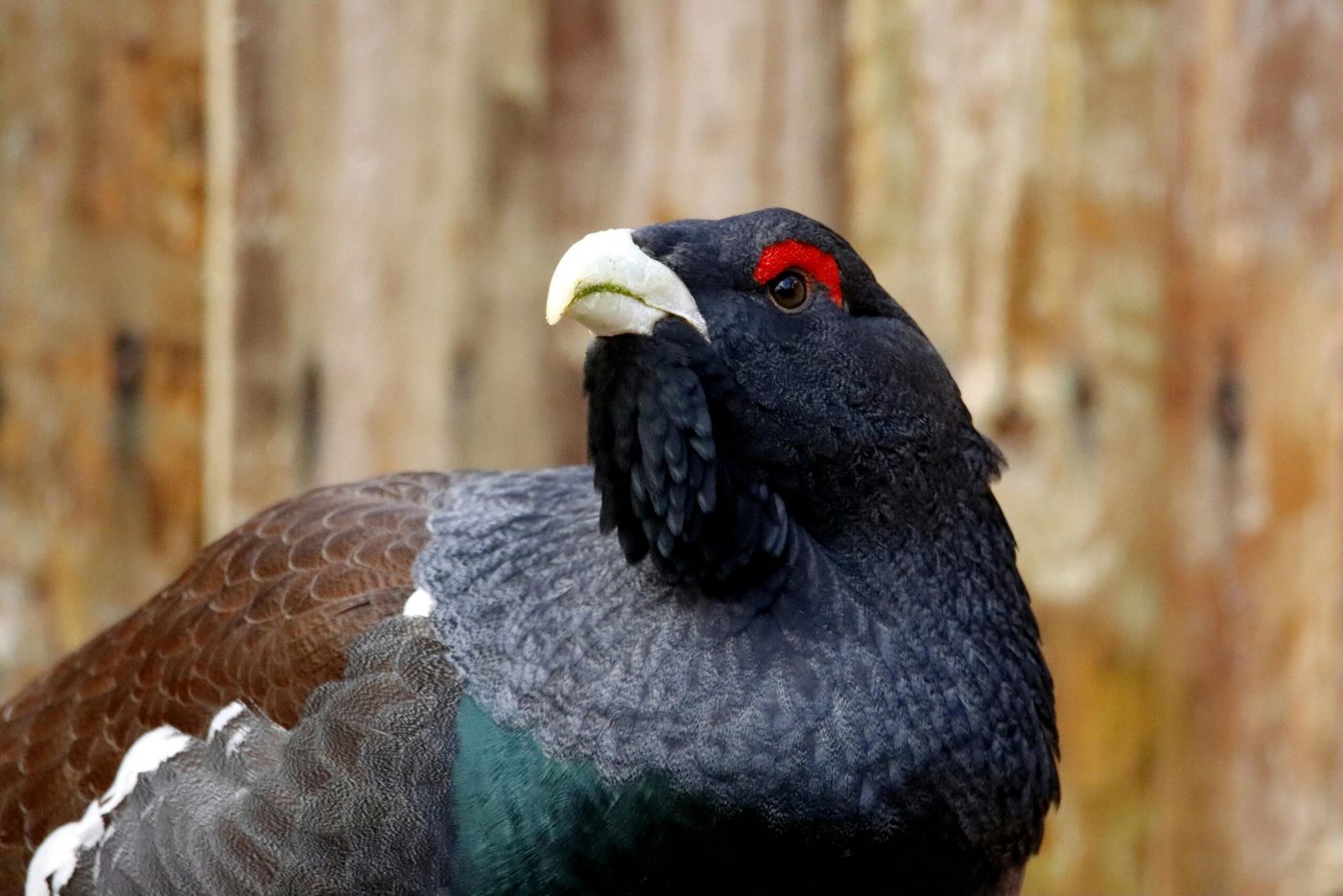
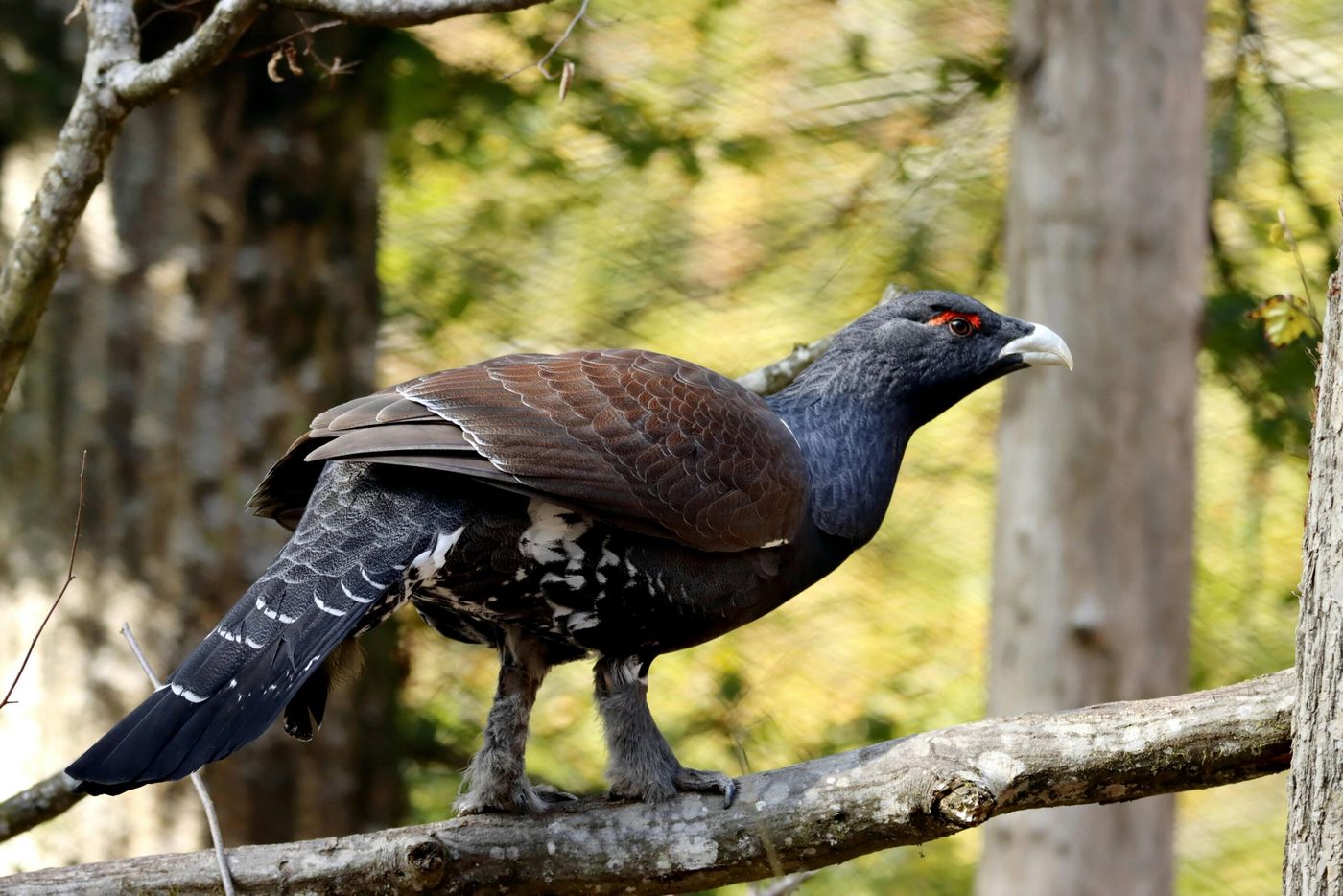
Tetrao urogallus
Western Capercaillie
The proud singer of the dawn, crown of Klekovača's mountain peaks.
In body shape the capercaillies and their kin are a typical example of the order Galliformes and recall hens and partridges. The smallest is the white-tailed ptarmigan, weighing about 300 g, and the largest is the male of the western capercaillie, weighing up to 6.5 kg. They have feathered feet and shanks but no spurs. They feed on low-energy but abundant winter fare, and so they have large crops and stomachs able to hold great quantities of food; they also take coarse grit to aid digestion. The sexes differ greatly in appearance.
The hens wear plumage of a reddish-grey with black barring, while the cocks are more strikingly coloured and far richer in feather. Capercaillies mostly inhabit the mountain peaks and choose quiet haunts, feeding on buds, seeds, wild berries and various insects. The mating season runs from mid-March to the end of May, when the cocks do battle over the hens; after mating the birds part ways, and the hen lays 4–12 eggs, which she broods for 28 days.
On the heights of Klekovača, at dawn in spring, the capercaillie performs its famous courtship song — watching this bird at the lek ranks among the most exalted and most carefully guarded experiences of these mountains.
Western Capercaillie
Gallery
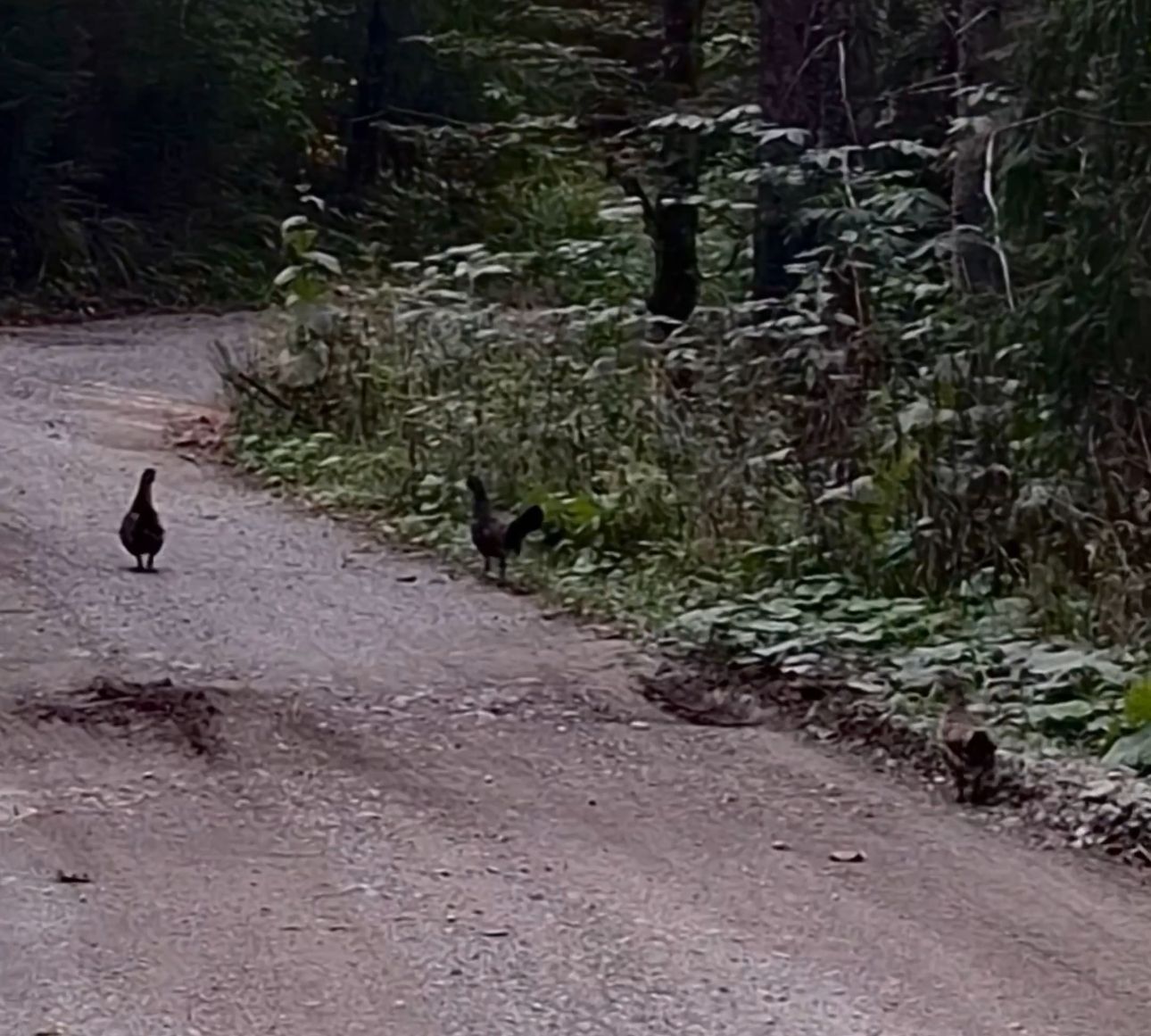
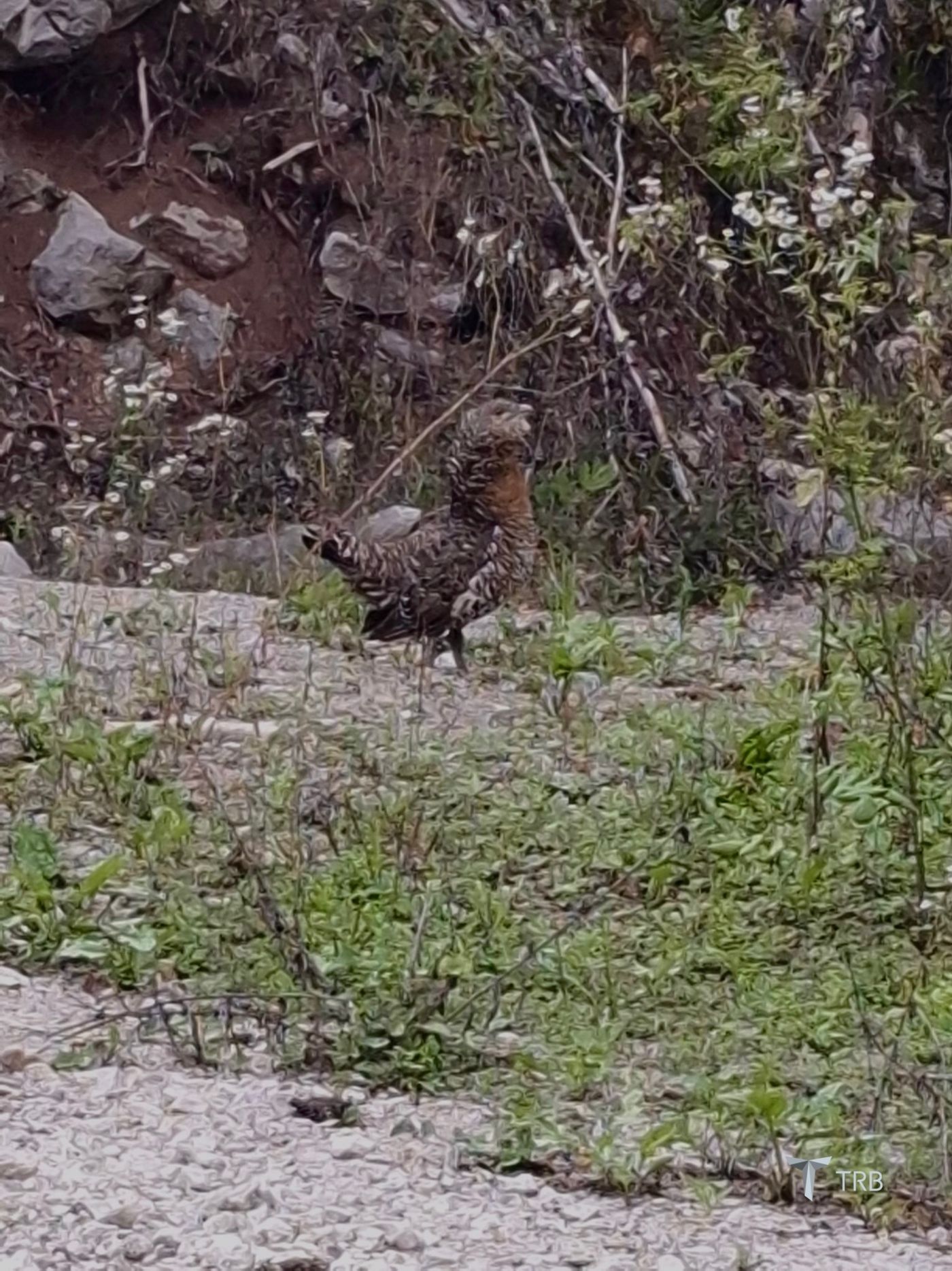
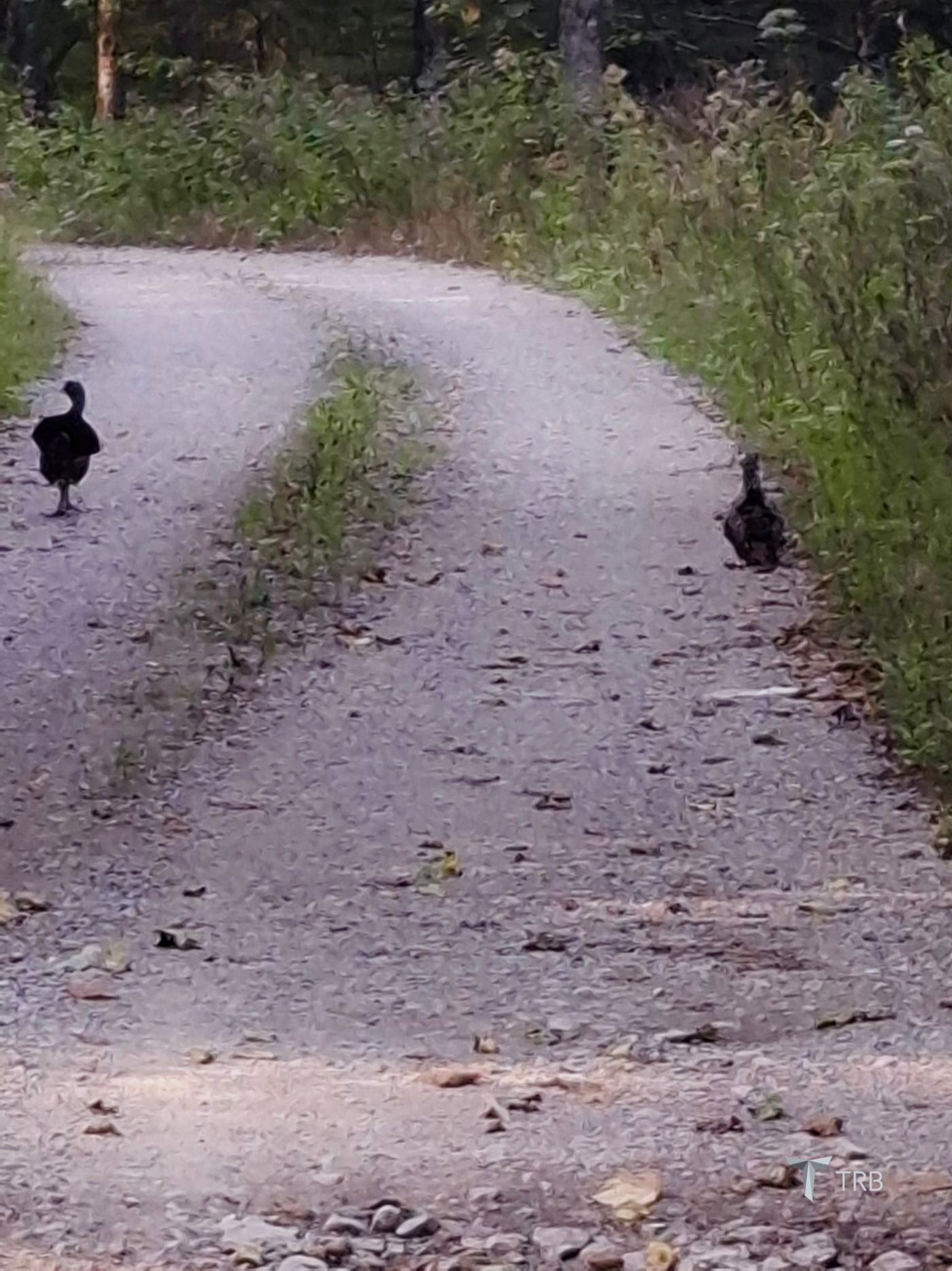
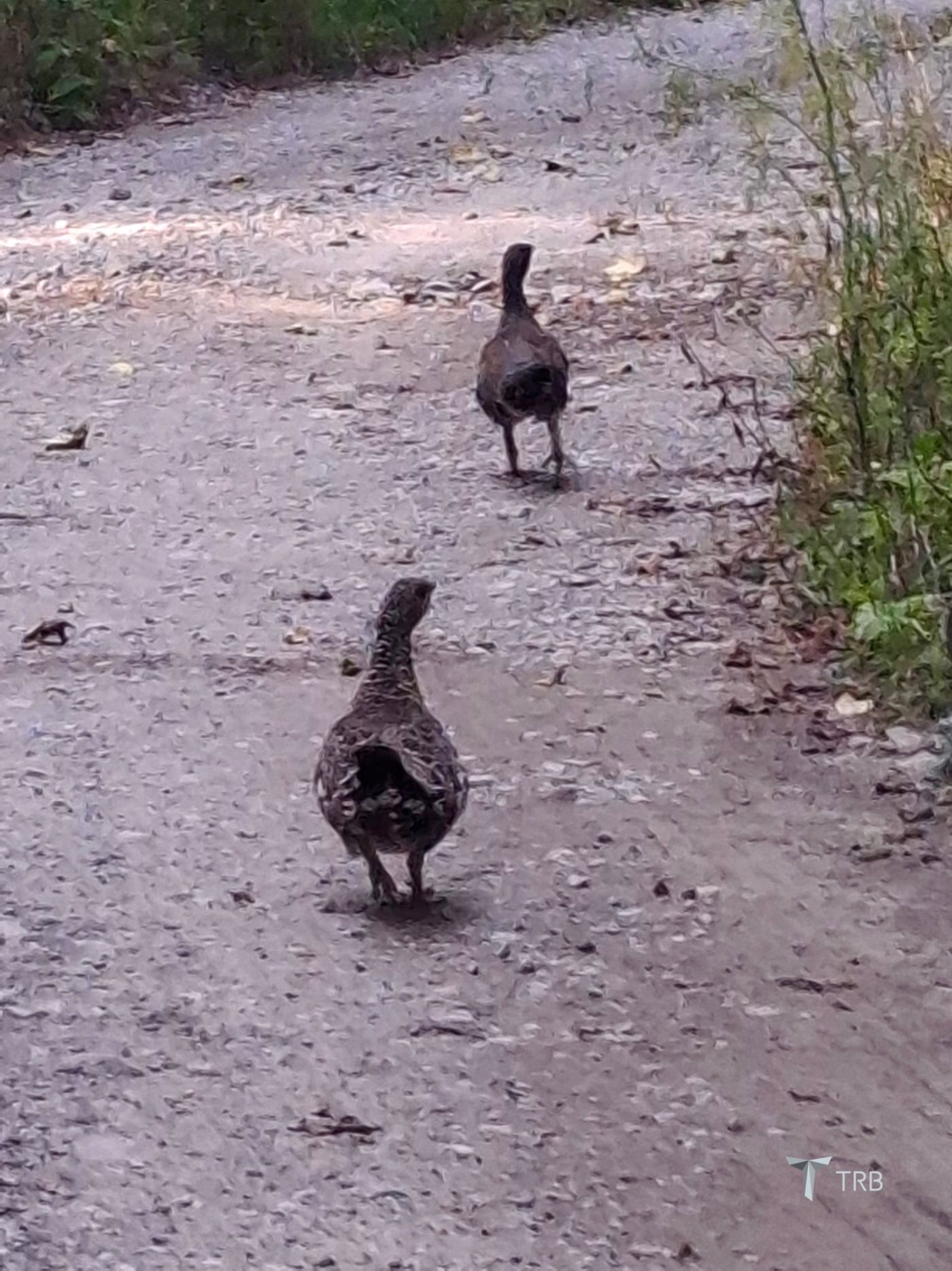
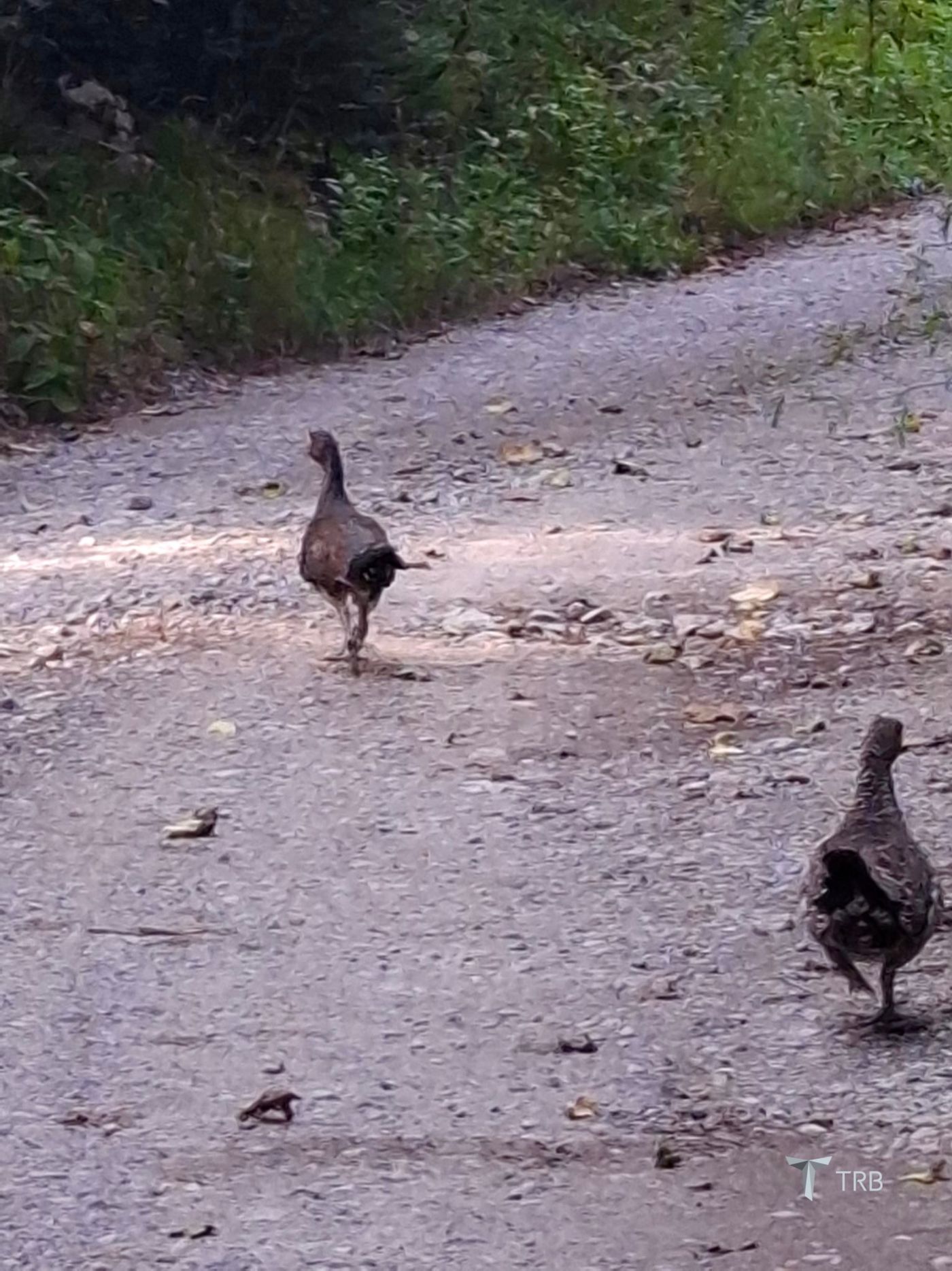
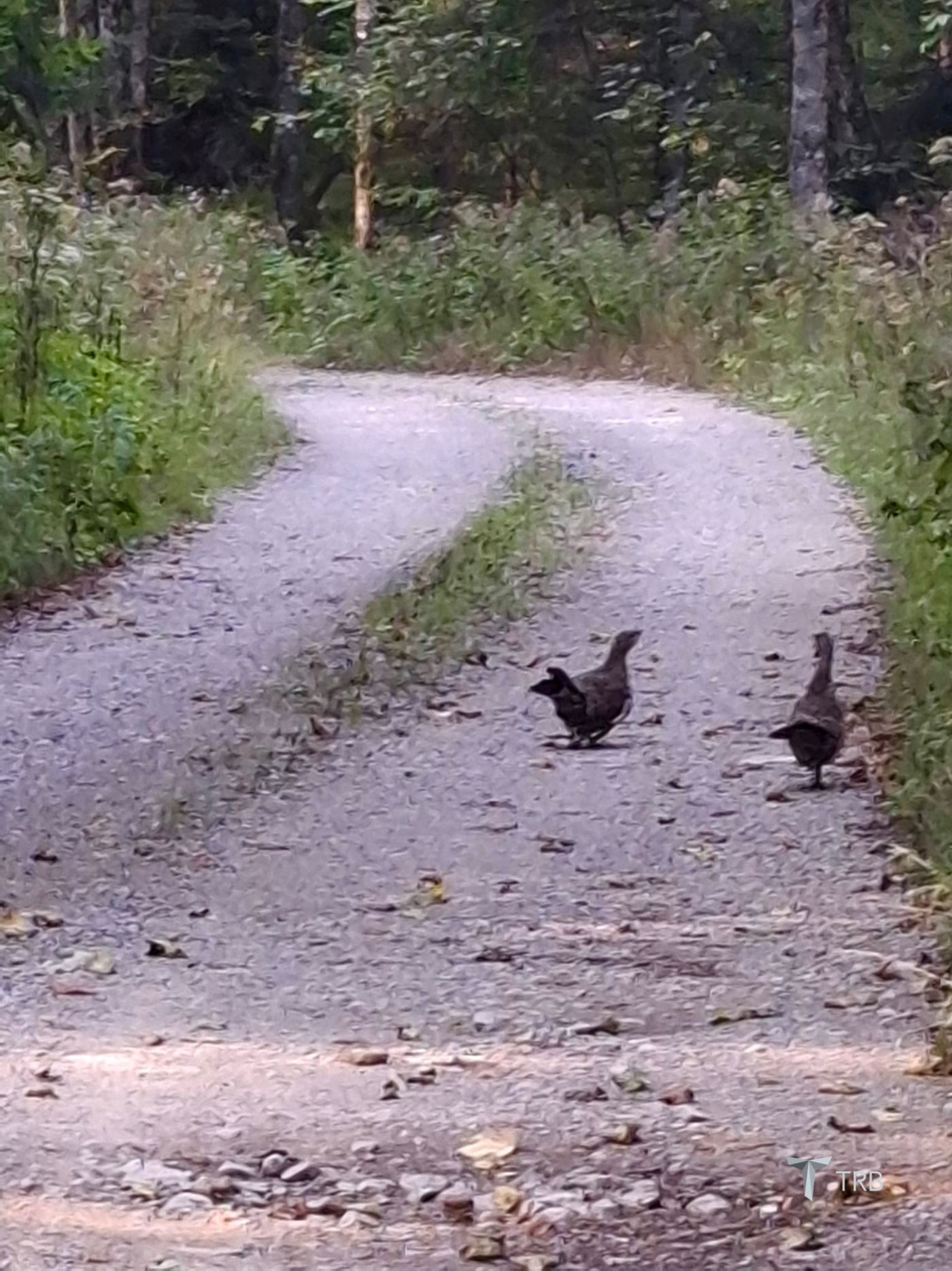
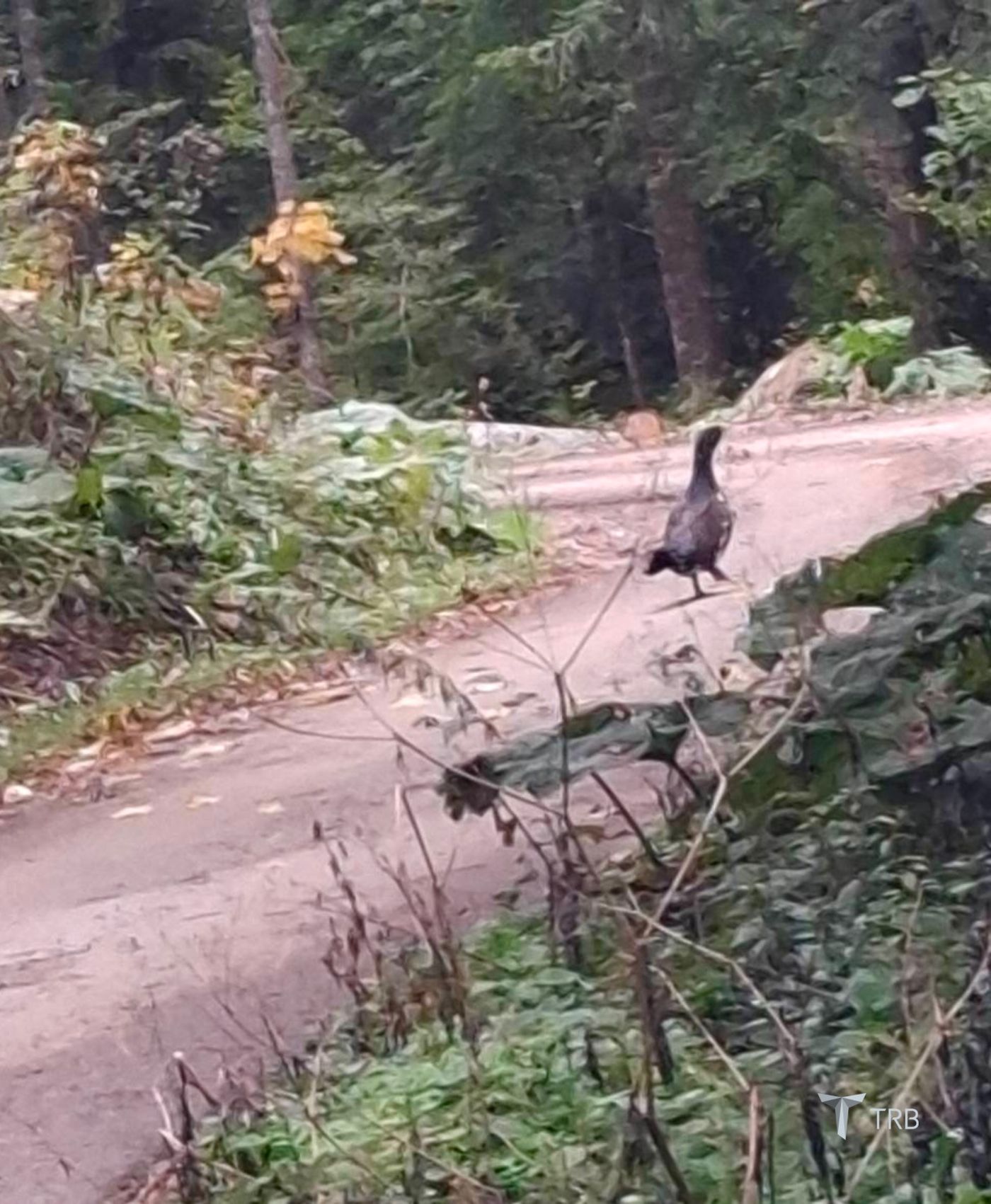
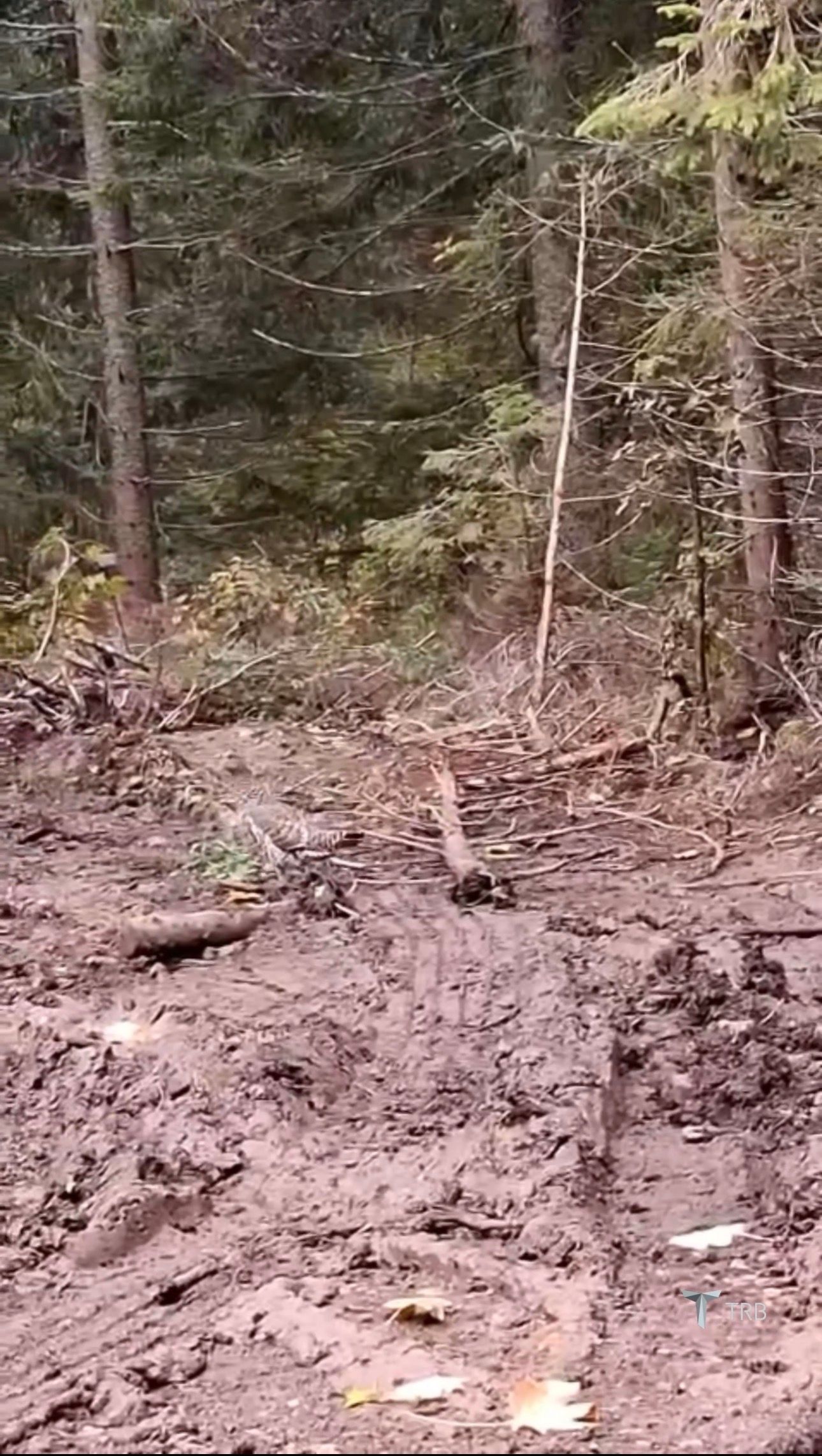
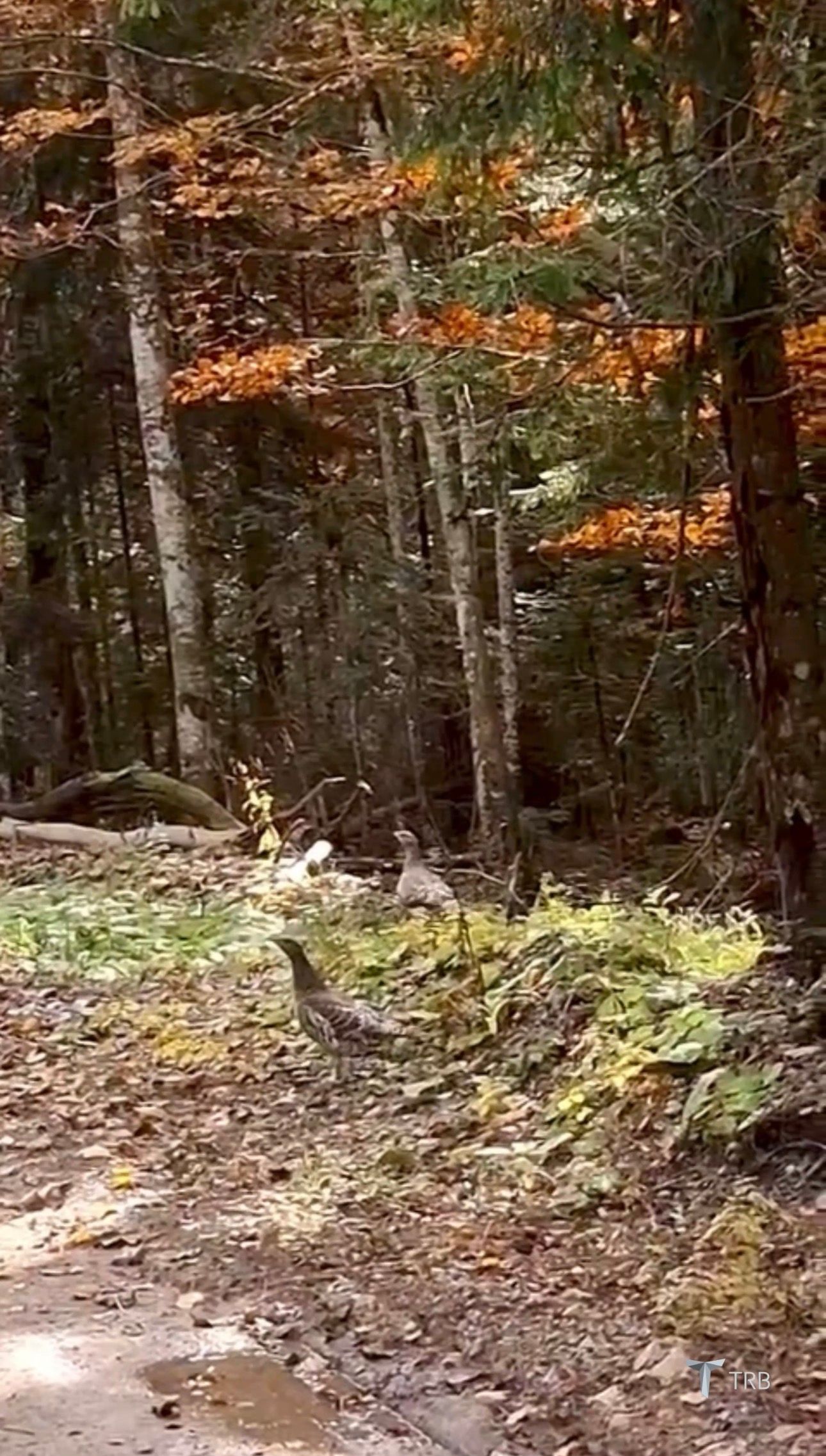
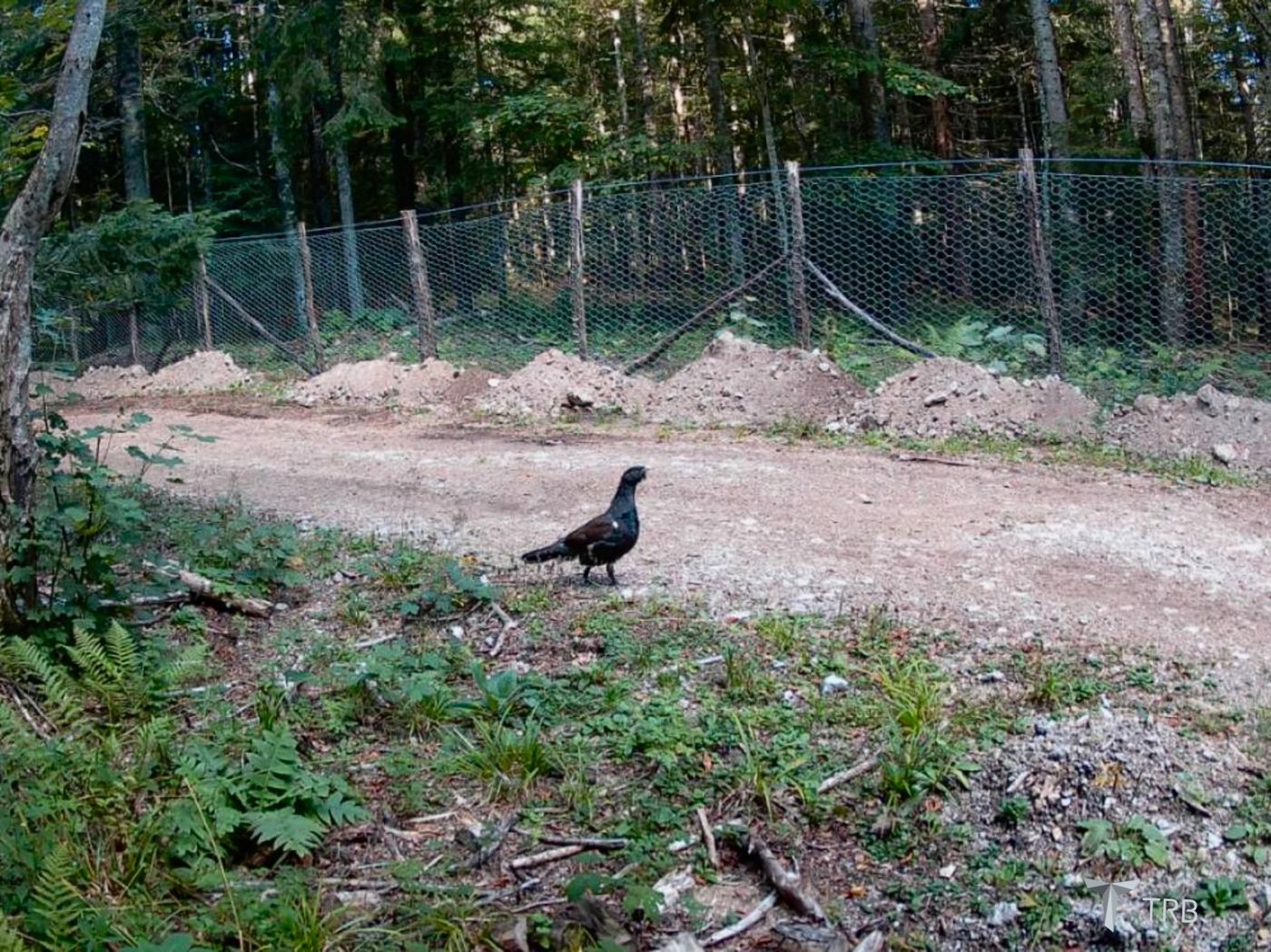
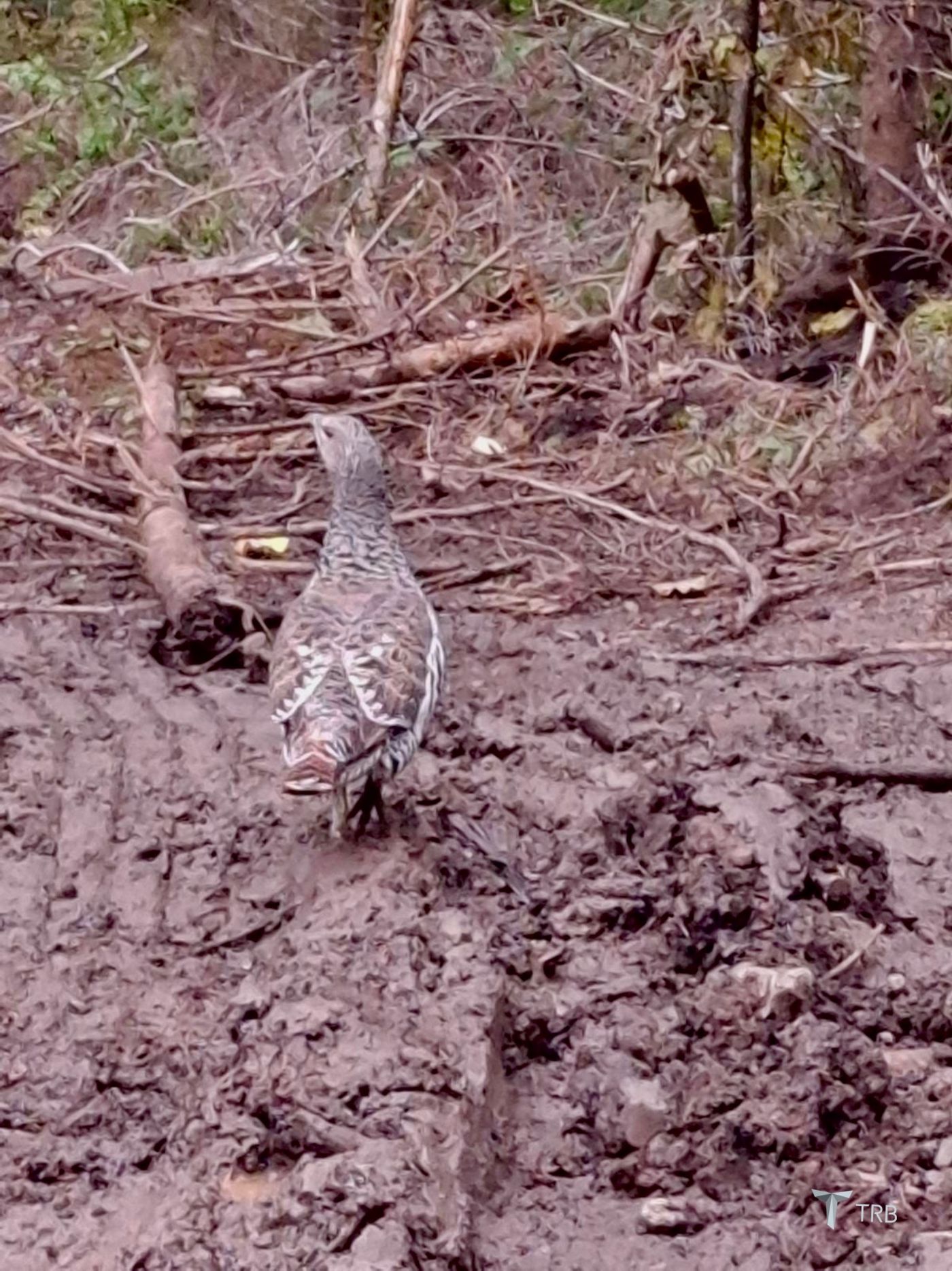
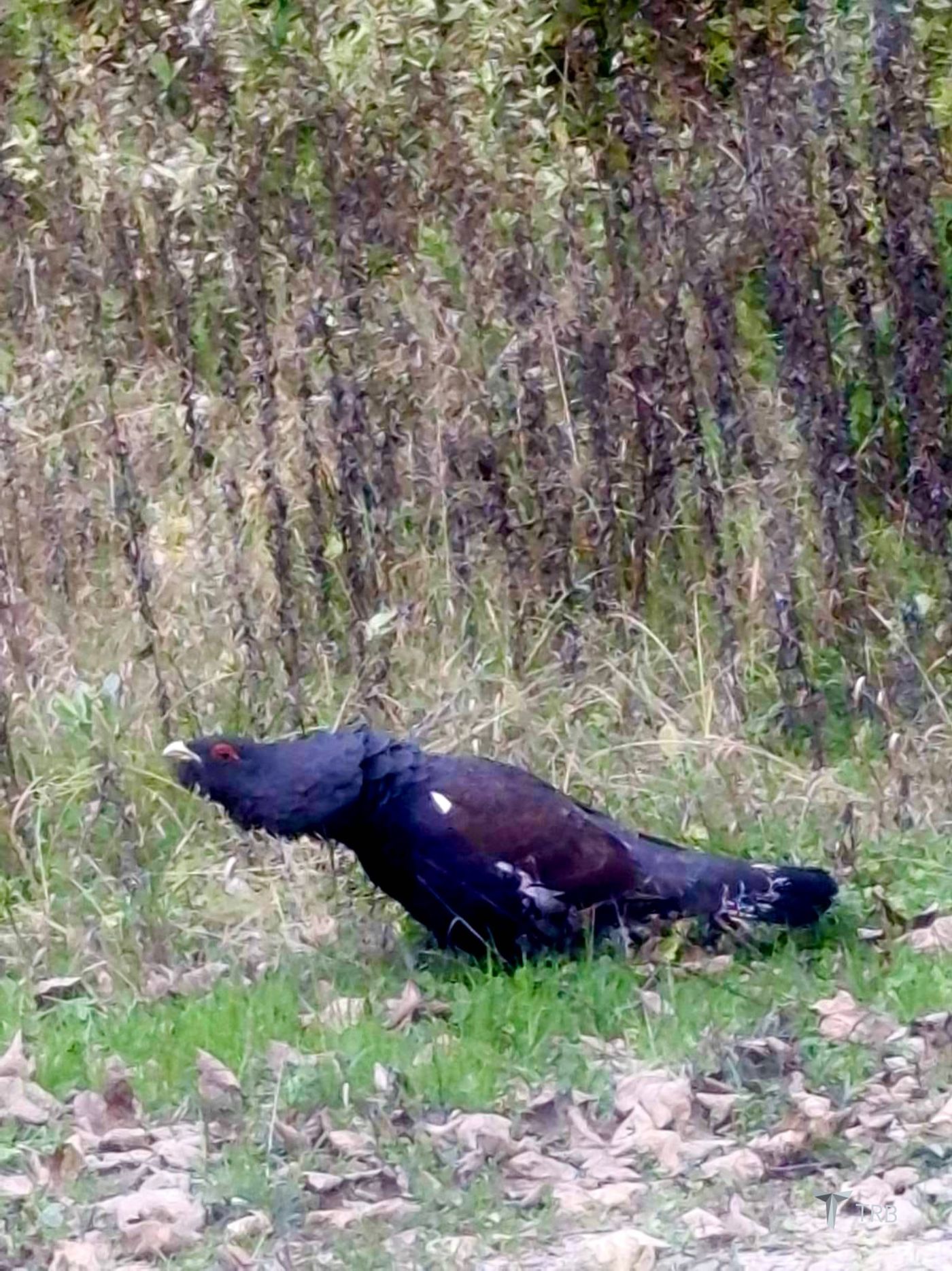
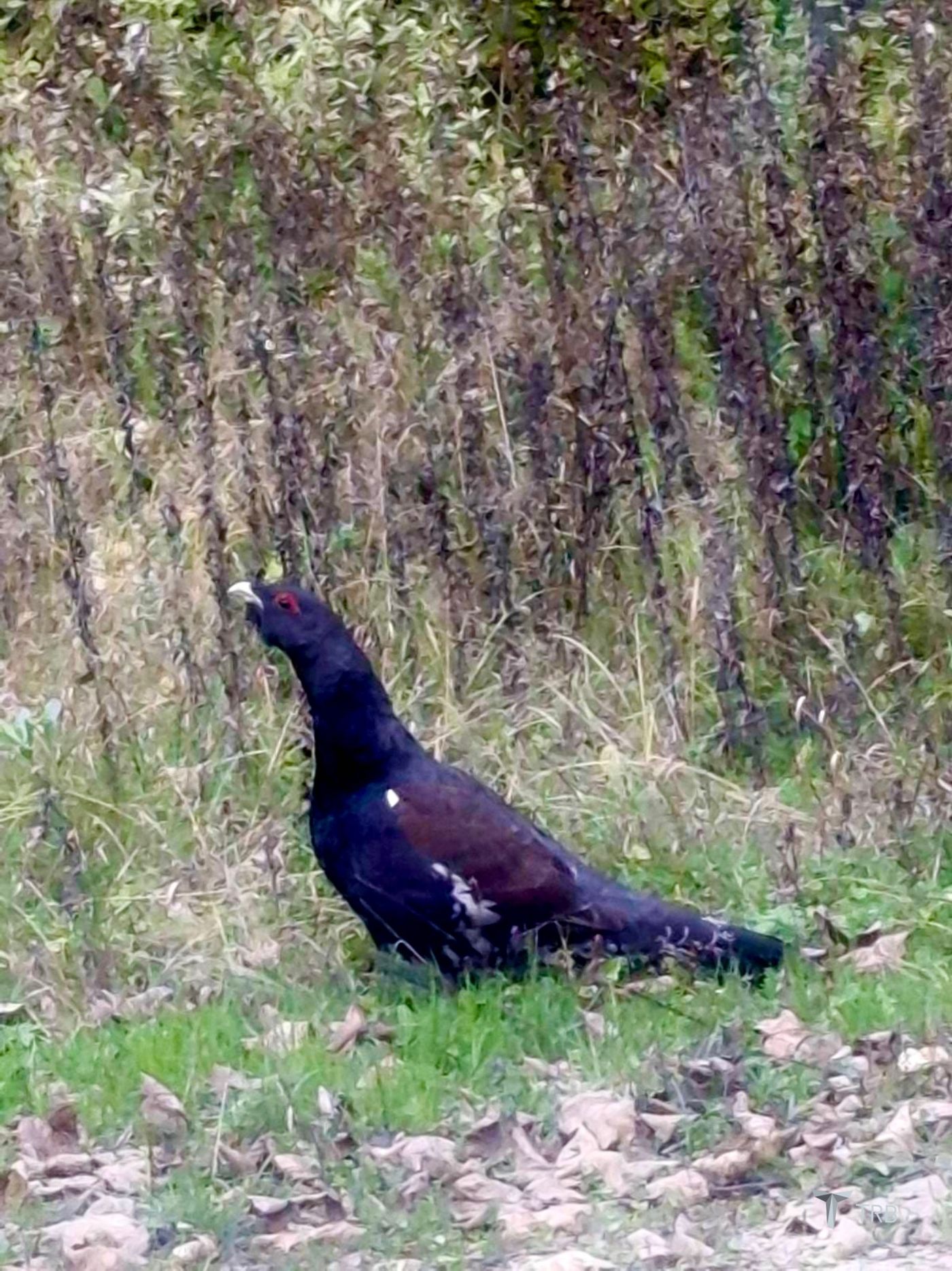
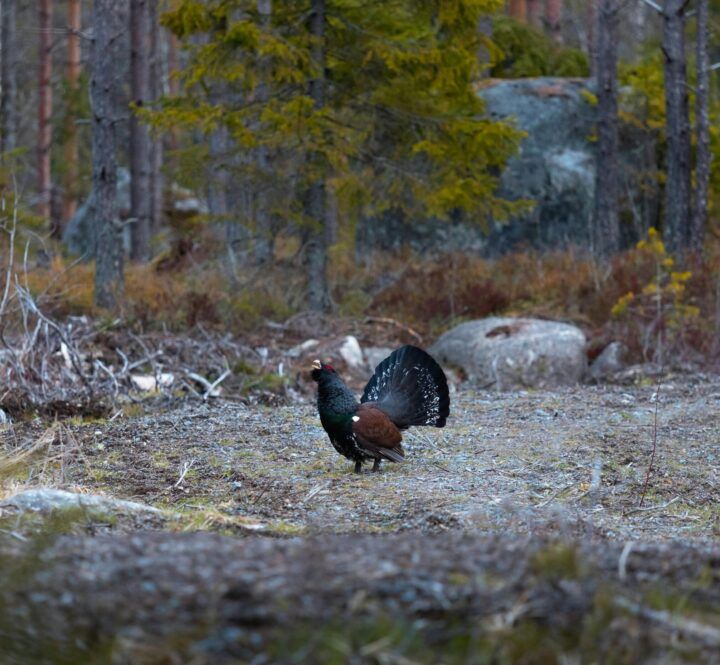
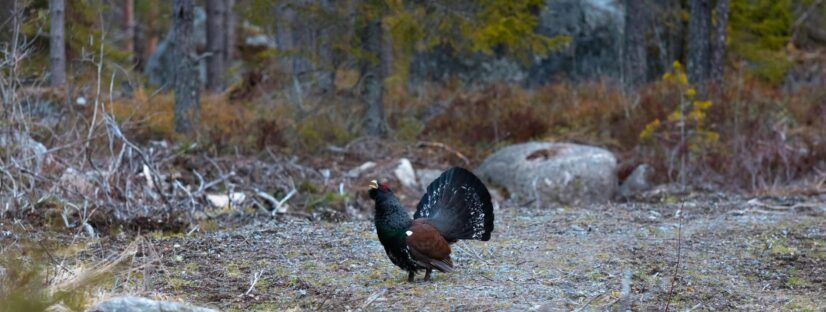
Western Capercaillie
Footage from the hunting ground
Game Species
Other Game
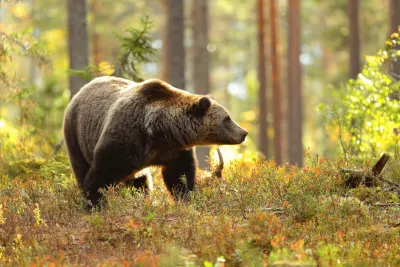
Brown Bear
Ursus arctos
Massive and wary, the brown bear rules the deep forests of Klekovača and is the most coveted trophy of our hunting ground.
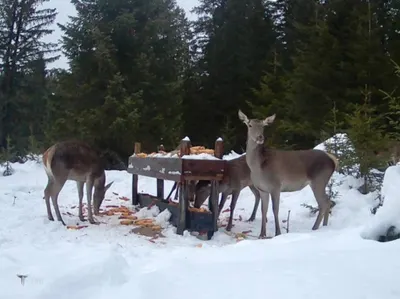
Red Deer
Cervus elaphus
The powerful red deer gathers his hinds across the high clearings, and his belling marks the arrival of autumn on Klekovača.
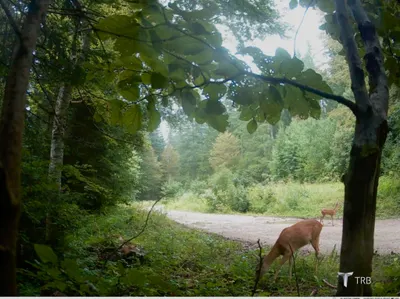
Roe Deer
Capreolus capreolus
A small, alert deer of the forest edge, the roe buck carries fine antlers and rewards a sharp eye and a steady hand.
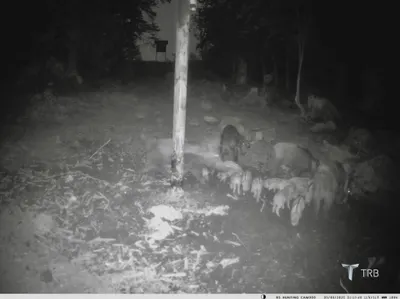
Wild Boar
Sus scrofa
Hardy and cunning, the wild boar roams the damp thickets in sounders and offers exciting hunting throughout the year.