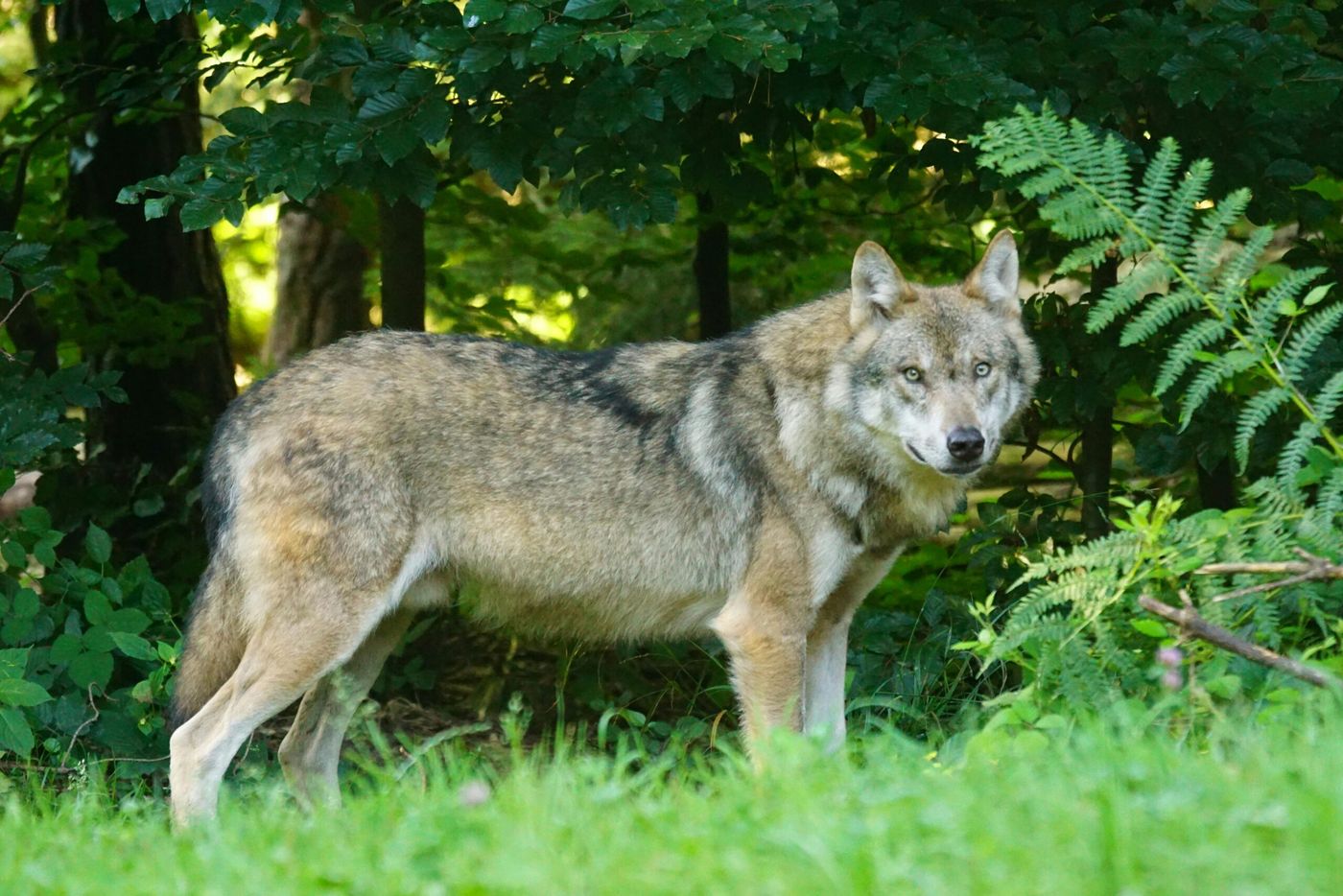
Canis lupus
Grey Wolf
The elusive master of the pack, spirit of the Dinaric mountains.
The wolf’s range in Bosnia and Herzegovina takes in the hill and mountain country of the deciduous and conifer Dinarides, from the Croatian border in the northwest to the Montenegrin border in the southeast. Across the whole of the country, save the northern parts toward the Sava, the wolf is present permanently or from time to time, in smaller or greater numbers. The body weight of Bosnian-Herzegovinian wolves ranges from 34 to 56 kg in males and 29–45 kg in females.
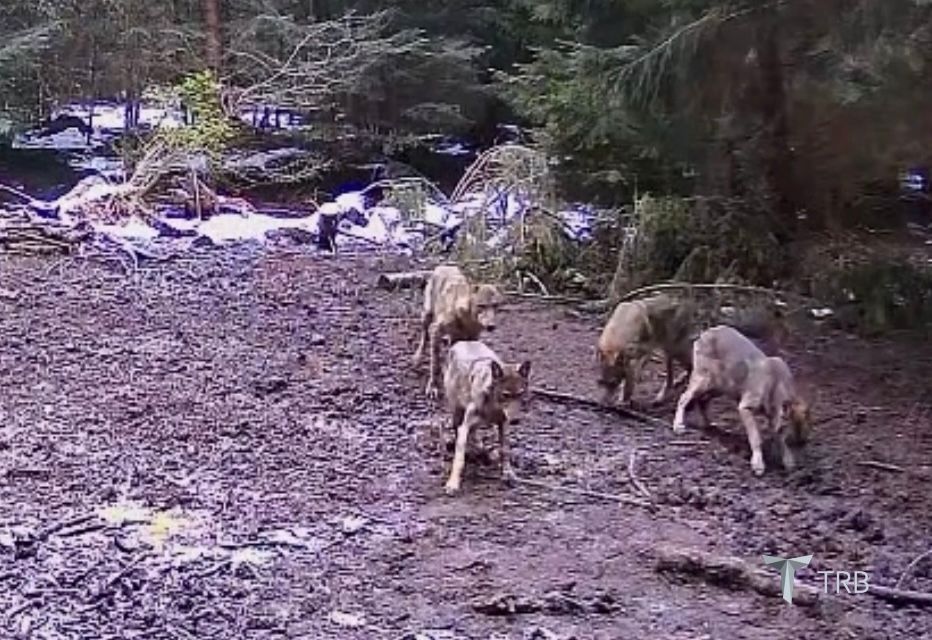
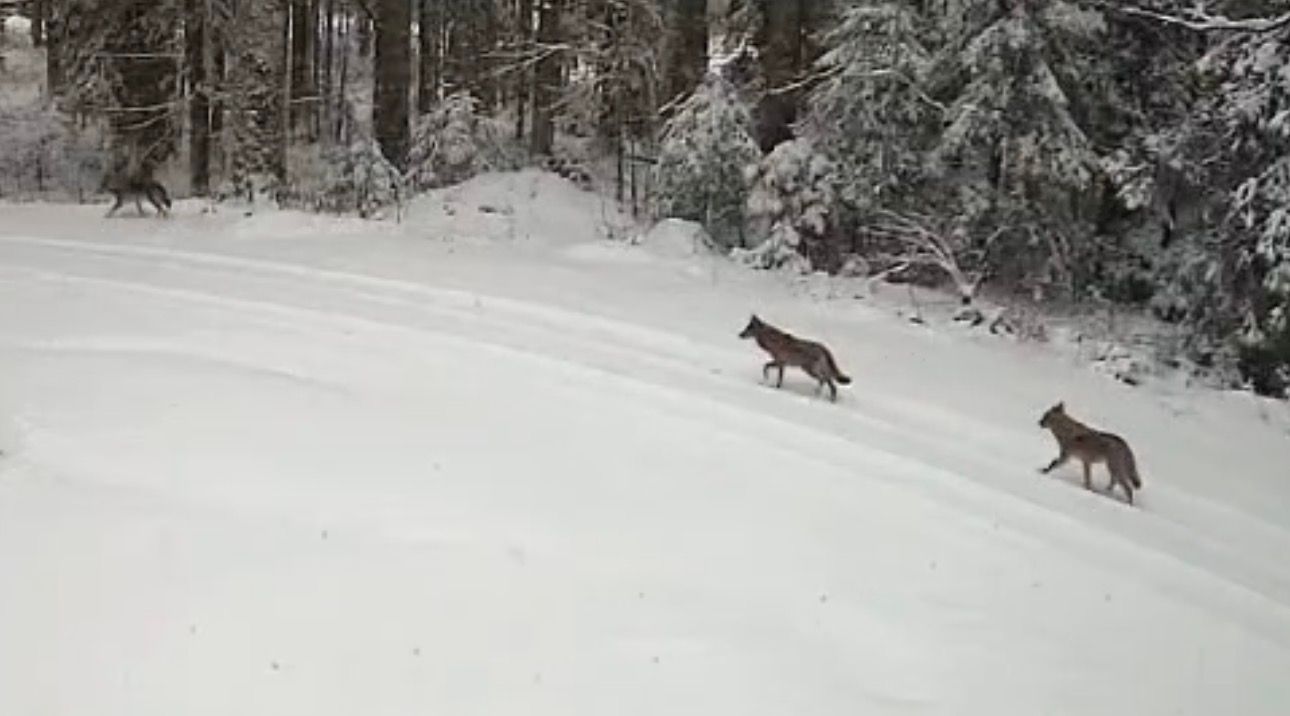
Though a lone wolf may now and then be met in the wild, the normal social life of wolves unfolds in the pack. As a rule the pack consists of a breeding pair and their offspring — a family, in other words. Wolves reach sexual maturity at two years, and until then they stay with their parents; the previous year’s young help to raise the next generation. On reaching maturity the young wolves usually leave their parents’ territory and set out in search of a range of their own. The parents are dominant over their offspring, so there are no struggles for supremacy.
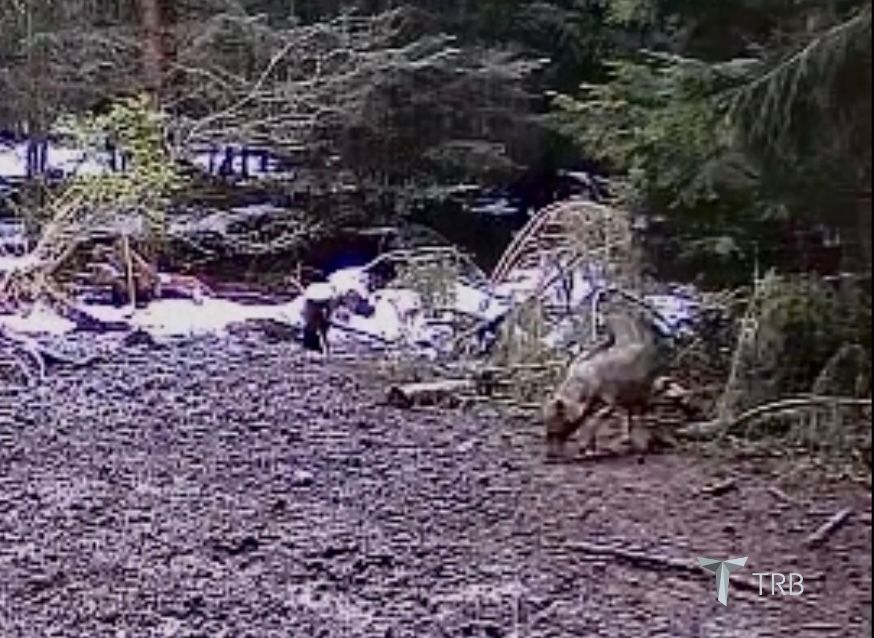
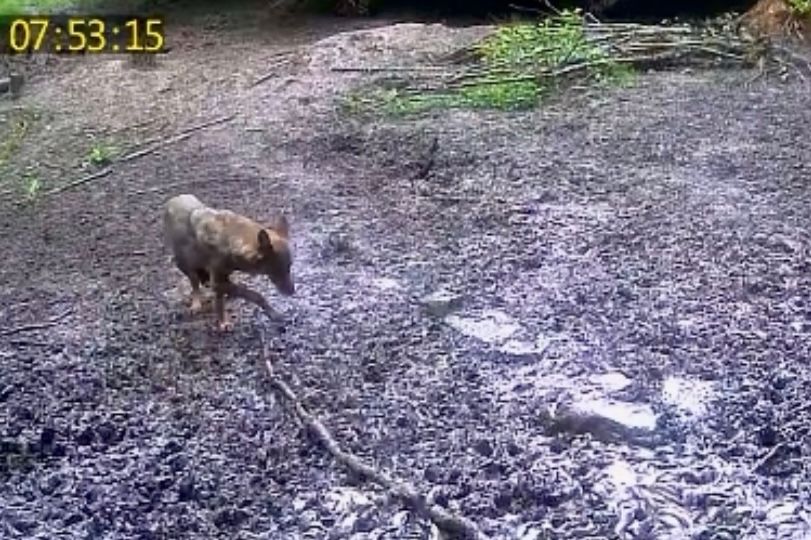
On Klekovača the wolf is a constant presence, and its track and its voice are part of the wildness of these mountains — wary, intelligent and elusive, it is a supreme challenge for the seasoned hunters of our hunting ground.
Grey Wolf
Gallery
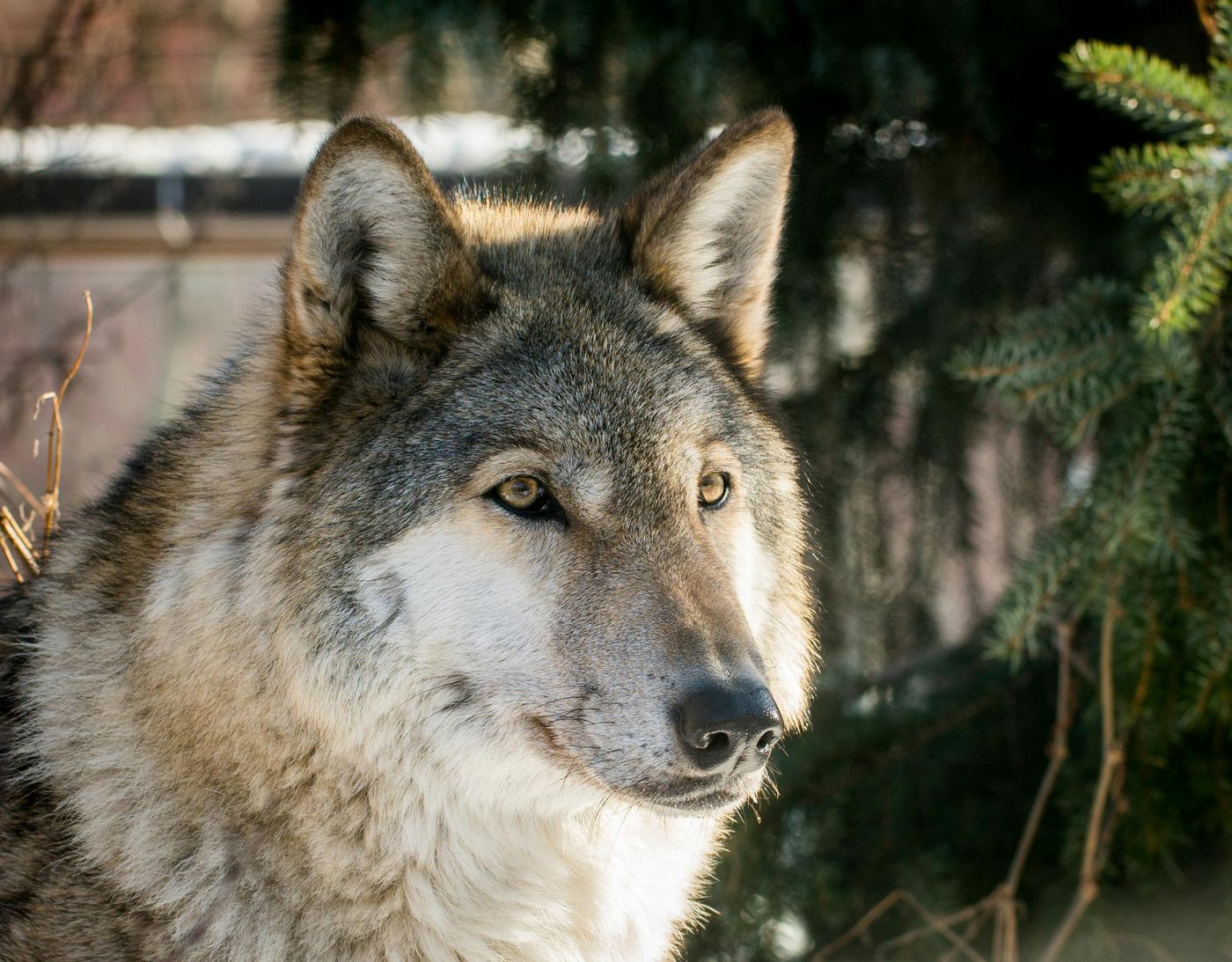
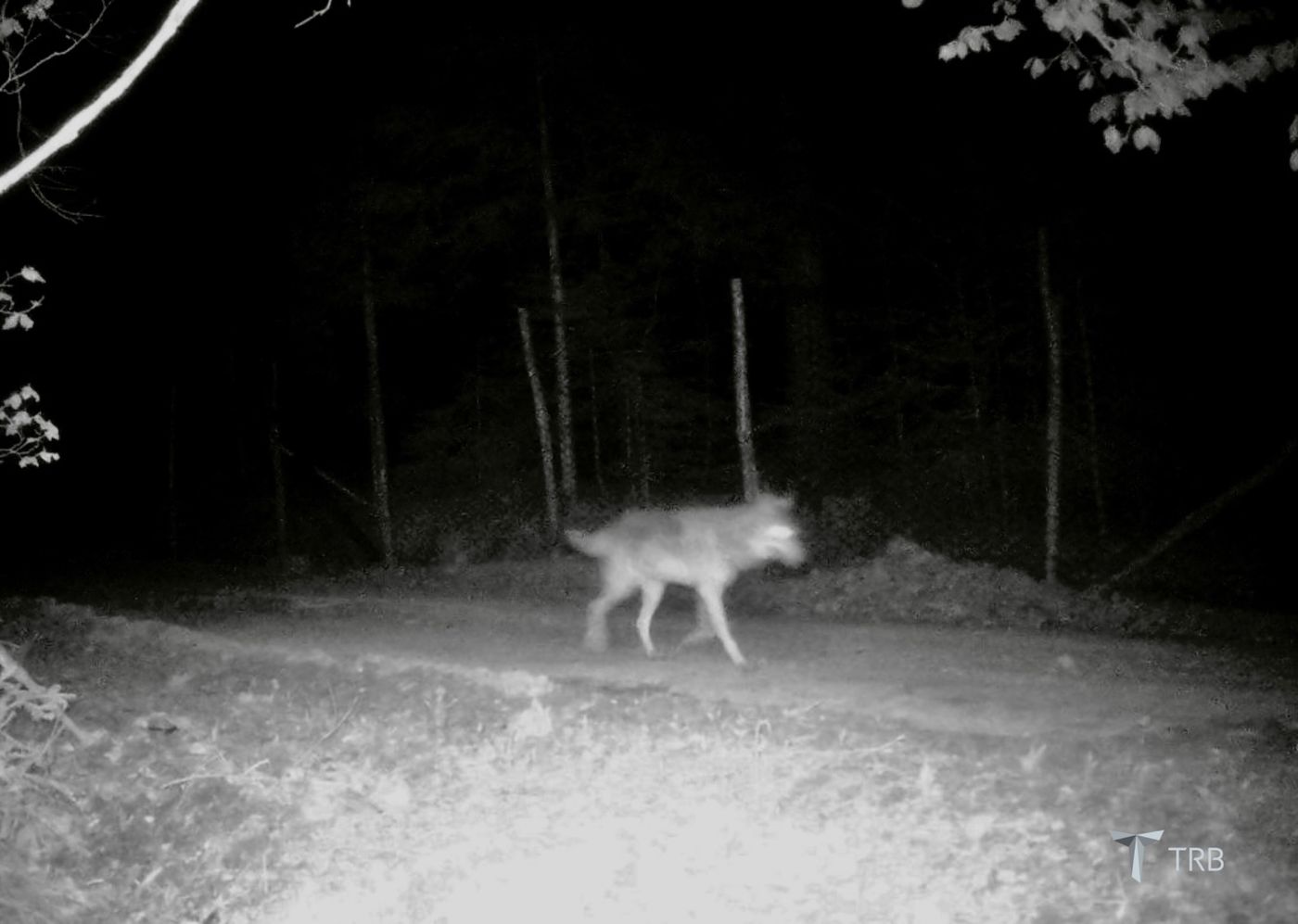
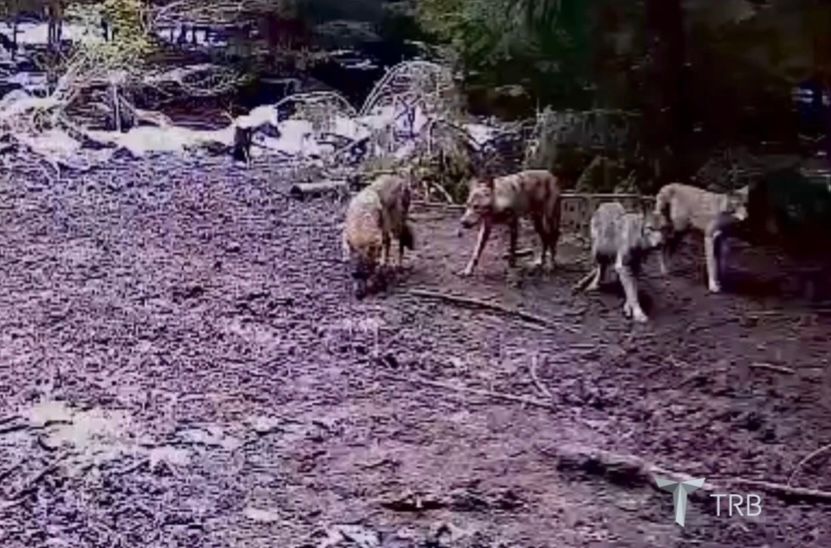
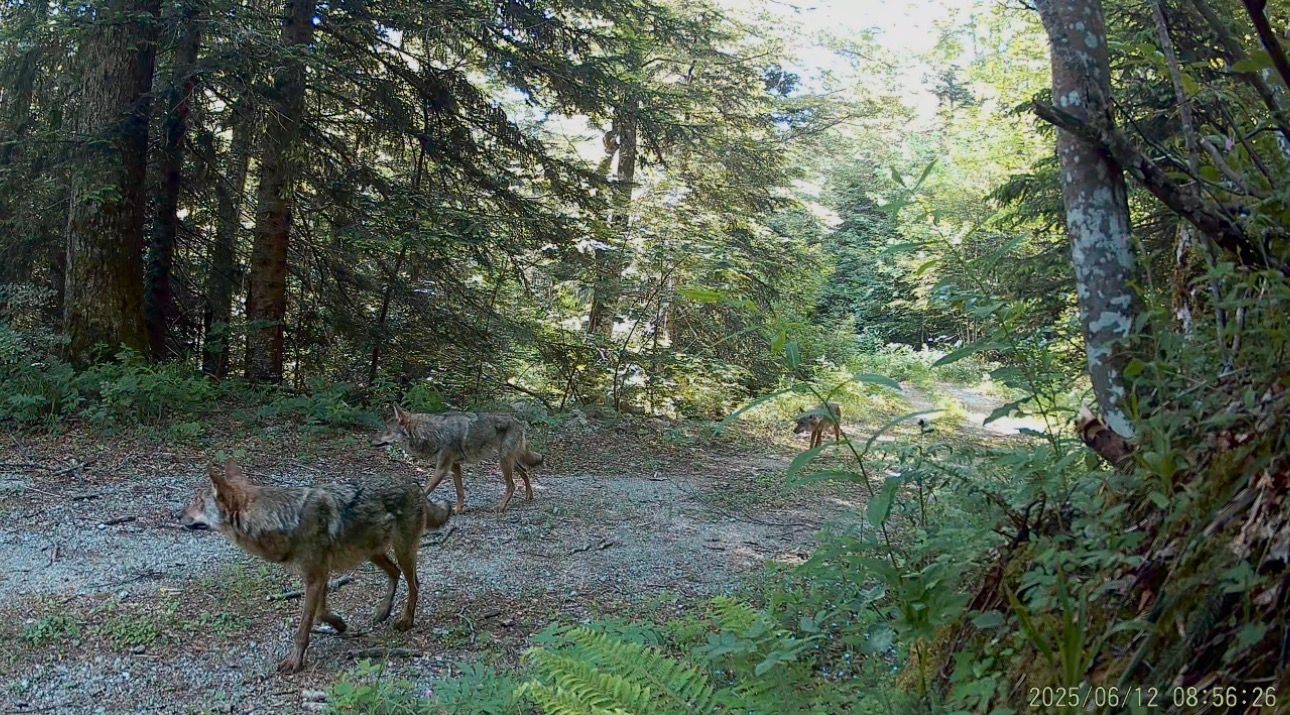
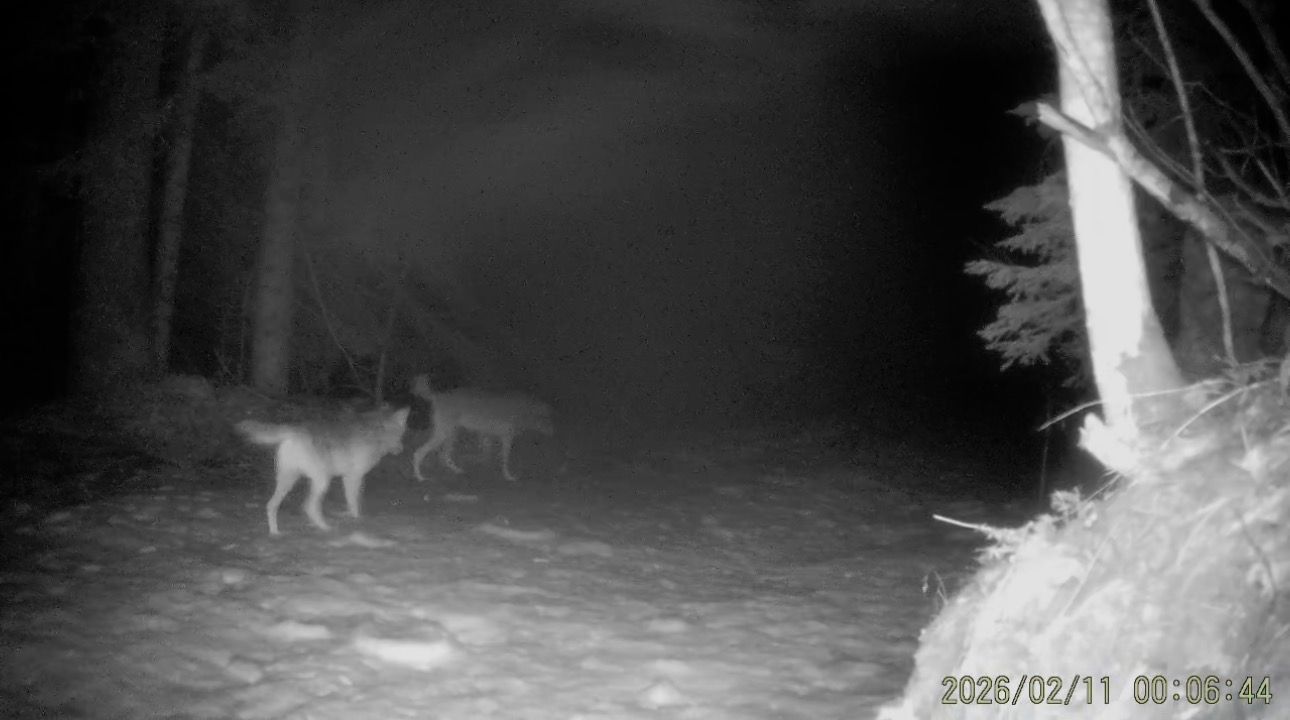
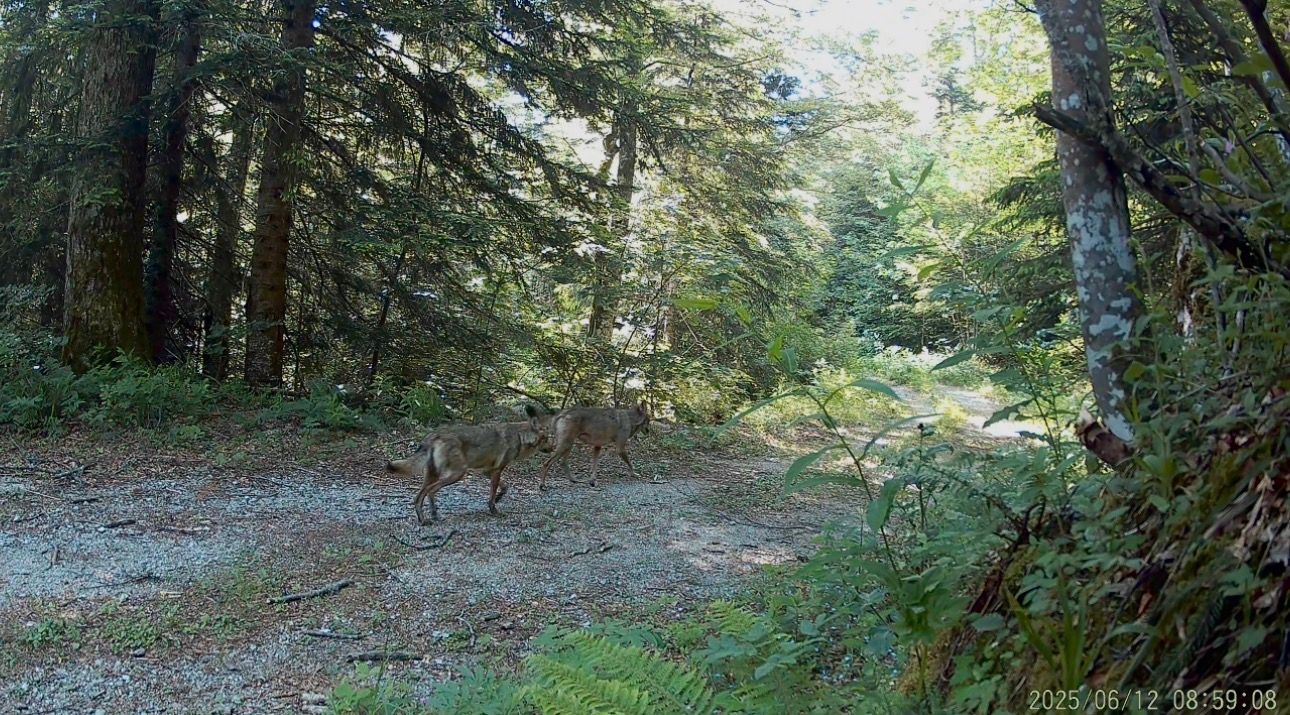
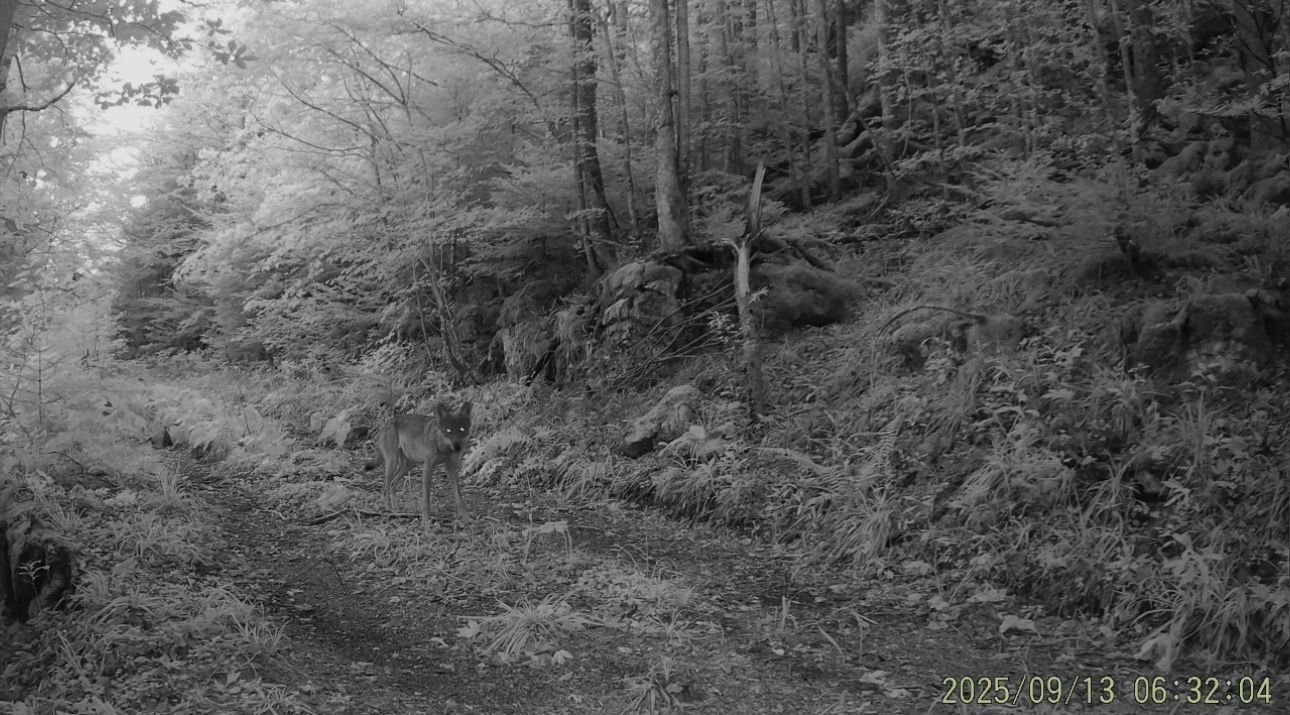
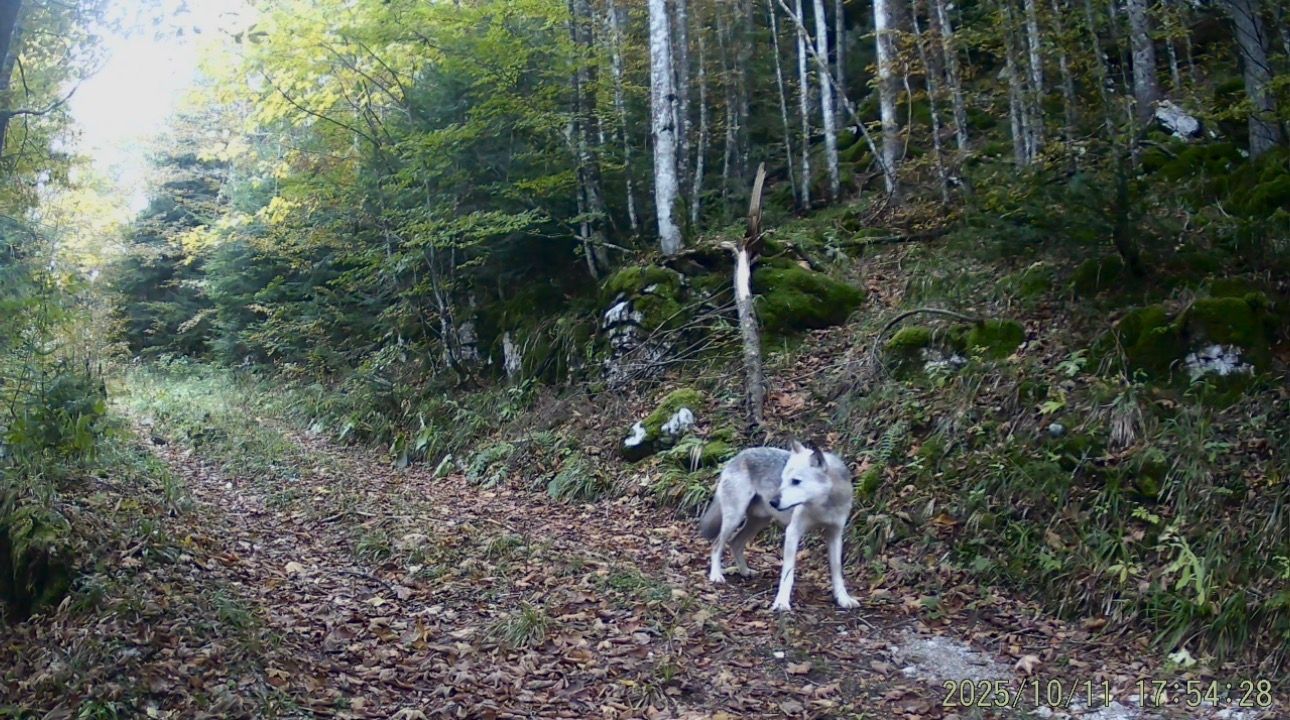
Grey Wolf
Footage from the hunting ground
Game Species
Other Game
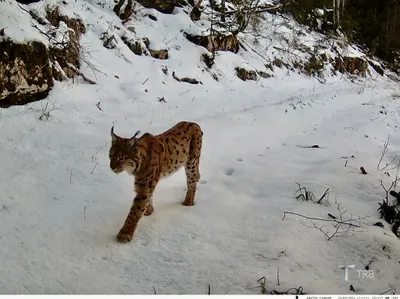
Eurasian Lynx
Lynx lynx
Recognizable by the tufts on its ears, the lynx hunts from ambush and most often betrays its presence only through paw prints in fresh snow.
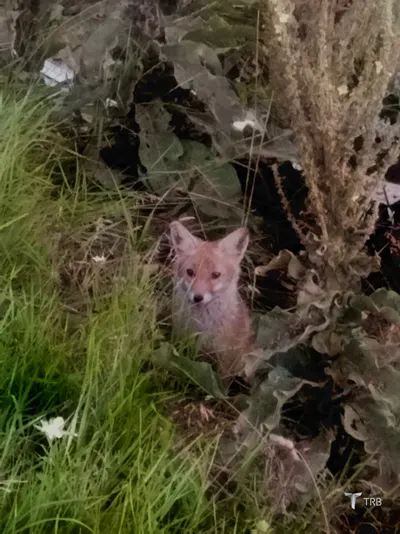
Red Fox
Vulpes vulpes
Bright and adaptable, the fox works the forest edges and clearings and slips away from any careless hunter.
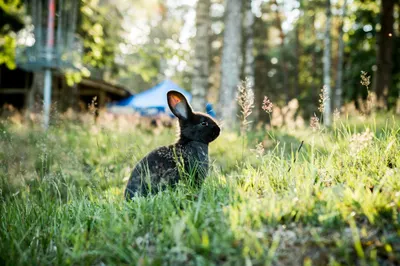
European Hare
Lepus europaeus
Fast and clever in flight, the hare brings the meadows and forest edges to life and is a classic quarry of the late-autumn hunt.
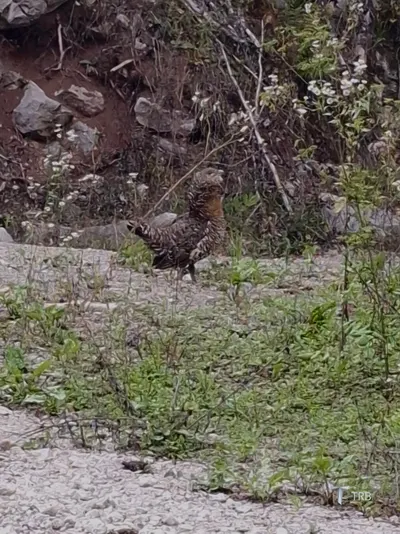
Western Capercaillie
Tetrao urogallus
The largest grouse in Europe, the capercaillie is a retiring recluse of untouched old-growth mountain forest.