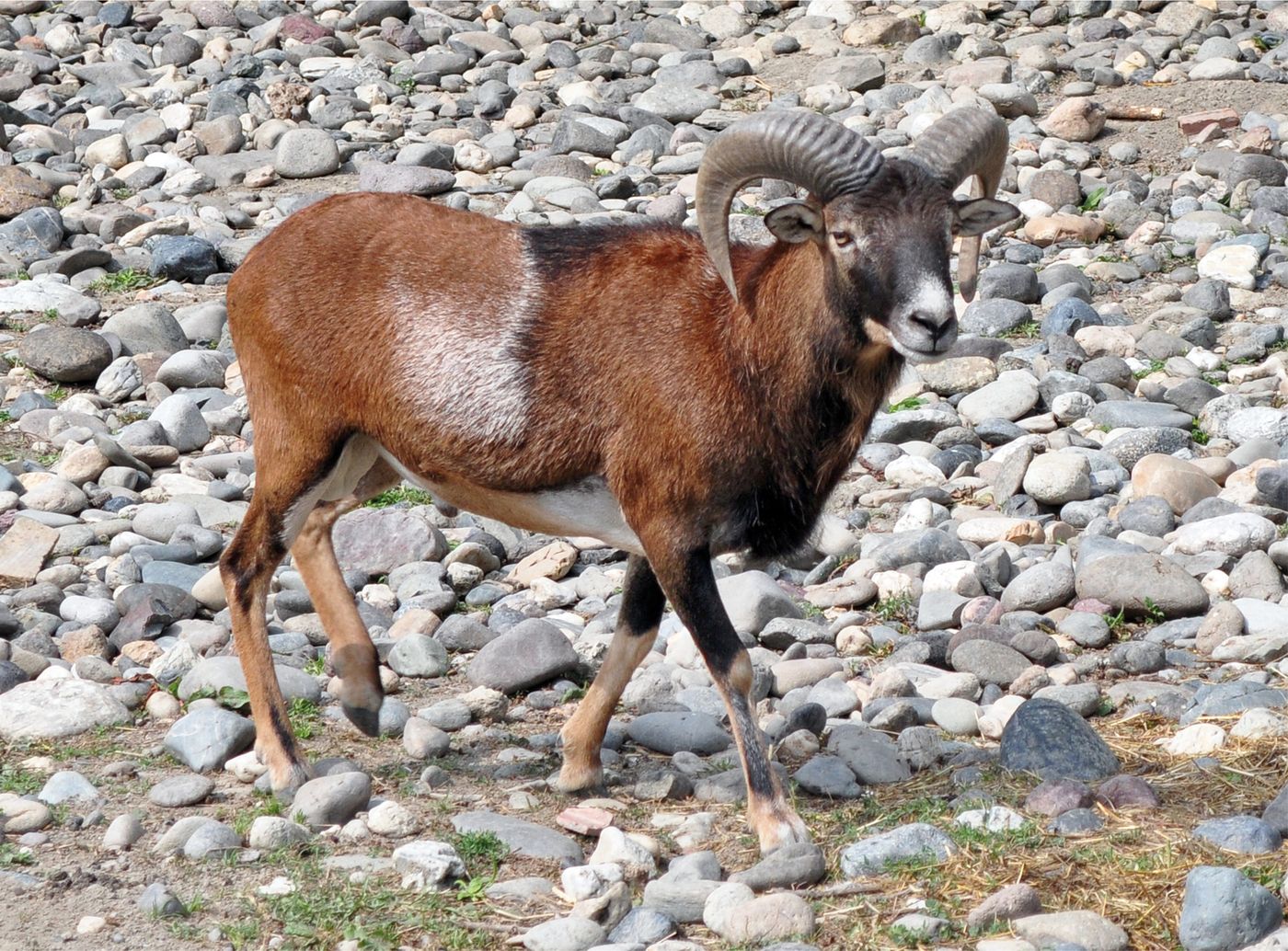
Ovis gmelini musimon
Mouflon
The wild sheep of stony ground and pasture — shy and sharp-eyed.
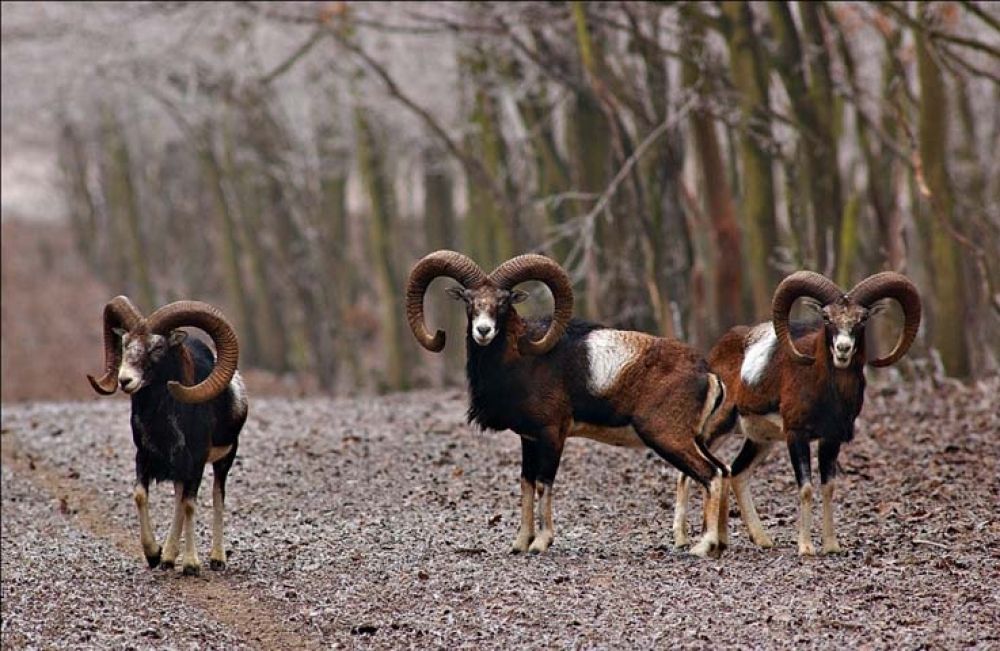
The mouflon has a reddish-brown coat with dark stripes along the back, while the fur on its belly is somewhat lighter. Rams bear large horns; ewes may or may not have them. It closely resembles the domestic sheep, only it wears no fleece but a coarse coat — reddish-chestnut in summer, darker in winter. The belly and the inner side of the legs are cream-coloured, and on the flanks the rams show a “saddle,” a patch of lighter colour. Ewes are a uniform chestnut-brown.
The mouflon’s habitats are hills and mountains under Mediterranean forest, maquis, pasture and stony ground, though it adapts to continental conditions as well. It favours quiet country that offers cover from enemies and food enough, and it stays faithful to its range. It is diurnal, grazing in the morning and at dusk. It lives in smaller herds of ewes, lambs and younger rams led by an older ewe, while rams over three years gather in herds of their own. The mouflon has keen hearing, a sensitive nose and long sight; it relies most on its good eyes, so it is hard to stalk, and it is very shy and wary besides.
On Klekovača the mouflon finds the stony, quiet slopes to its taste, and it is precisely its exceptional sight and inborn caution that make it challenging game for any hunter who tries to close on it.
Mouflon
Gallery
Game Species
Other Game
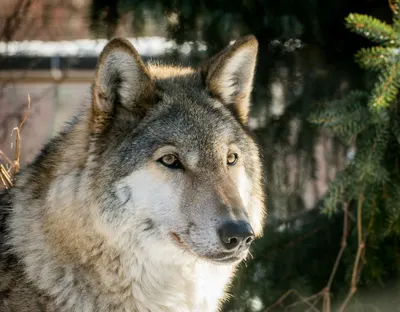
Grey Wolf
Canis lupus
His howl carries across the valleys at dusk, and as the apex predator the wolf keeps the game population in balance.
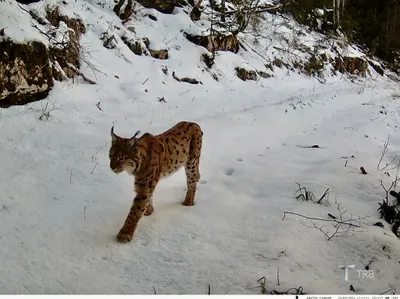
Eurasian Lynx
Lynx lynx
Recognizable by the tufts on its ears, the lynx hunts from ambush and most often betrays its presence only through paw prints in fresh snow.
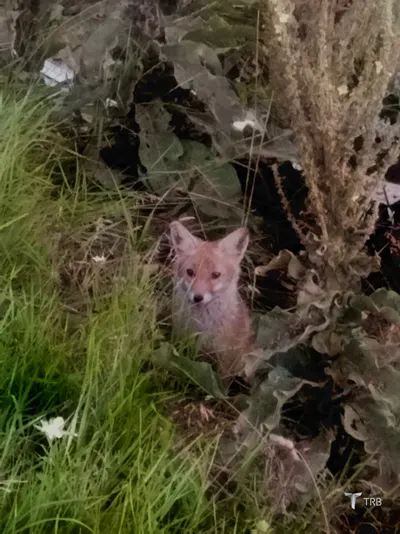
Red Fox
Vulpes vulpes
Bright and adaptable, the fox works the forest edges and clearings and slips away from any careless hunter.
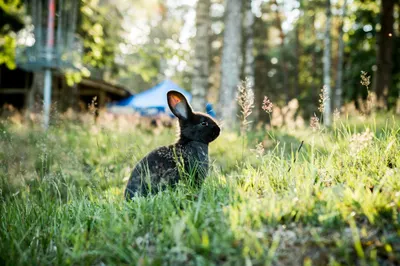
European Hare
Lepus europaeus
Fast and clever in flight, the hare brings the meadows and forest edges to life and is a classic quarry of the late-autumn hunt.